
Clinician-led triage at scale

How Do AI helped Axis Sports Medicine build clinically governed, AI-assisted triage across seven clinics.

Build AI that Fits Virtual CTO
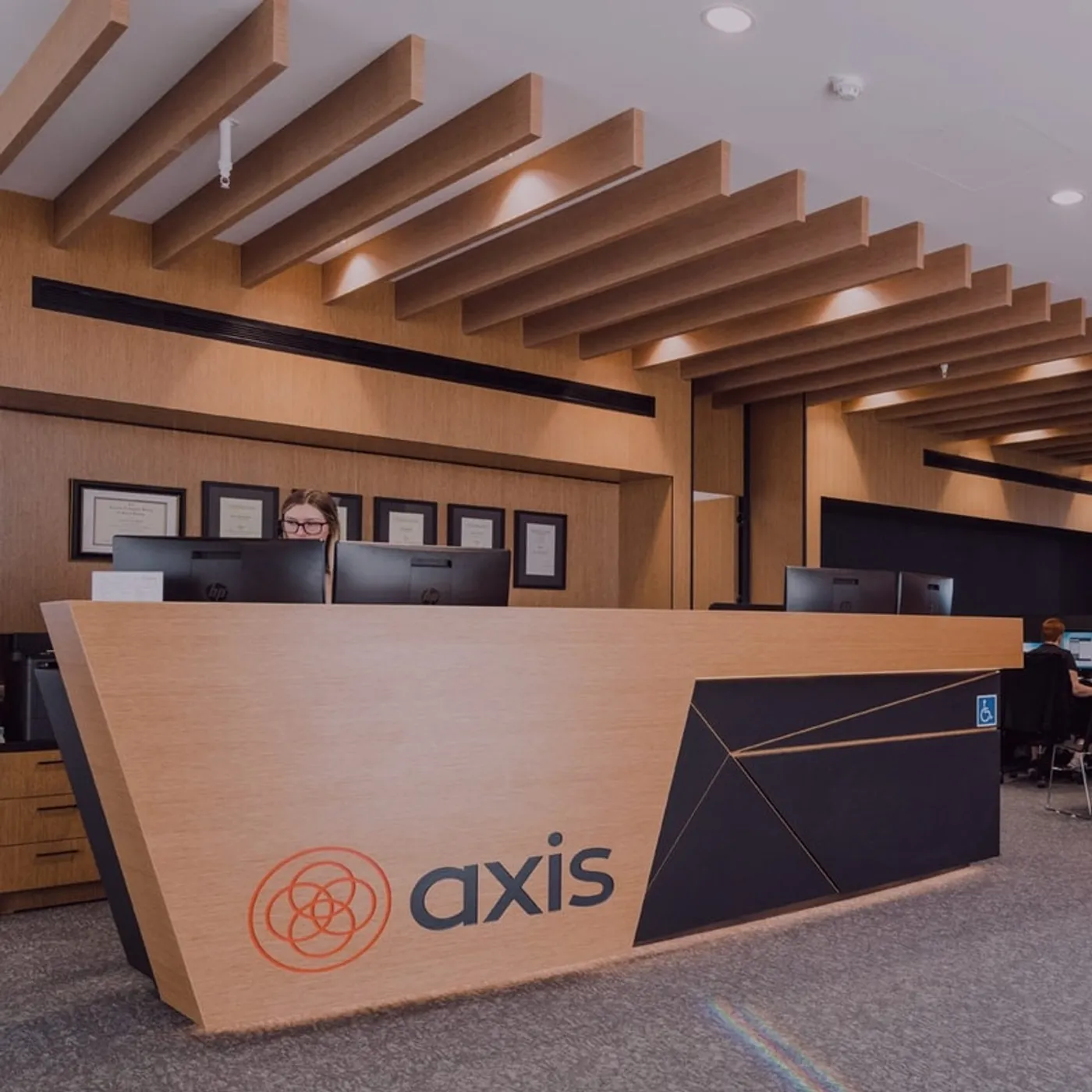
The Axis Sports Medicine reception desk with the Axis logo on its wooden front

Outcomes

15,000+

Referrals through the Referral Hub.

100%

Every referral is reviewed and approved by one of Axis's triaging clinicians. Nothing is triaged automatically.

400–500

Referrals a week from GPs, physiotherapists, specialists and other referrers.

7

Across 4 cities: Auckland, Christchurch, Queenstown and Dunedin.

Triage is a clinical judgement made on messy information

A sports medic standing beside the field during a match

Axis is a multi-discipline sports medicine provider. It has seven clinics across Auckland, Christchurch, Queenstown and Dunedin, offering sports medicine, orthopaedic surgery, physiotherapy, podiatry, concussion care and vocational rehabilitation. Hundreds of referrals arrive every week from GPs, physiotherapists, specialists and other referrers. They come through email, web forms and a specialist referral platform. They arrive as typed letters, scanned documents and structured forms, and no two are laid out the same way.

Each one needs a clinical judgement: how urgent it is, which service and pathway fit, and which clinic should see the patient. That judgement depends on details buried in free text. It also depends on whether an ACC claim is in place and on what the referrer left out. When information was missing, it usually surfaced at the point of triage and then had to be chased. Triage was managed by two lead clinicians. Because the judgement drew on their experience, triage capacity rested on them.

Axis's team was also curious about AI and already experimenting with it. The question wasn't whether to use AI, but how to use it well when patient data and clinical decisions are involved.

We started by understanding the clinic

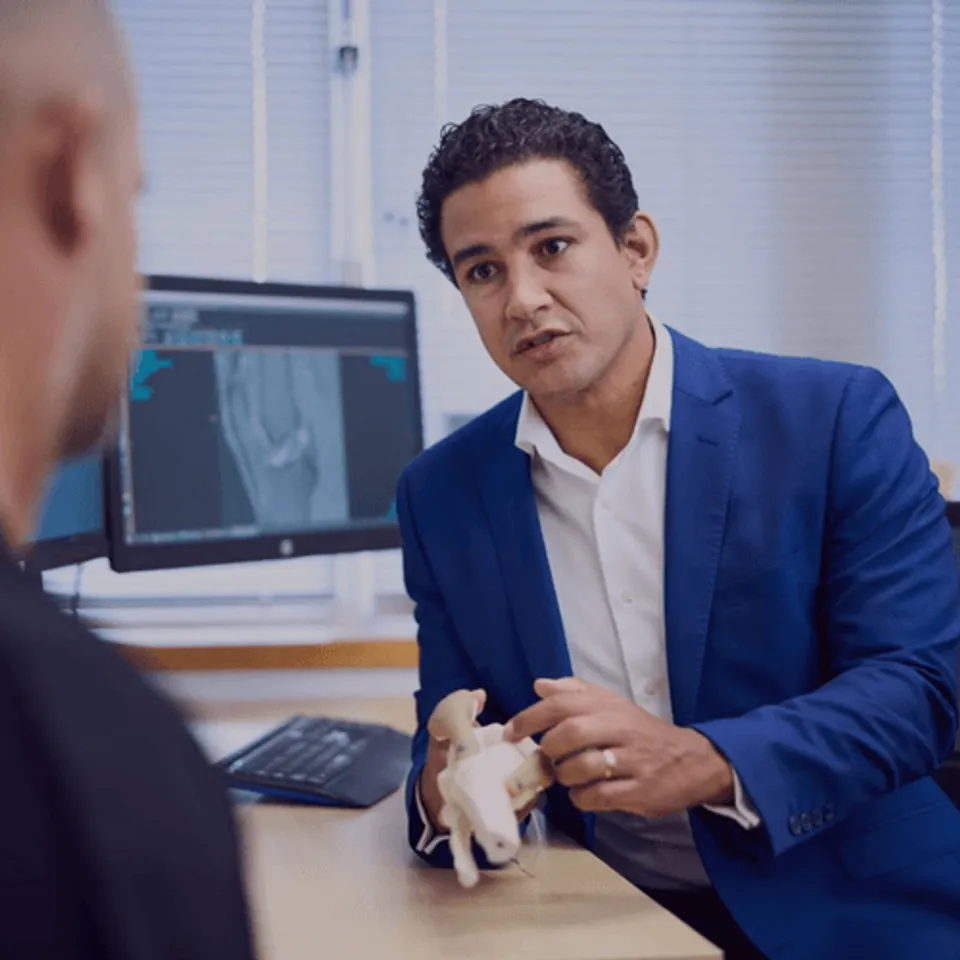
A sports medicine physician showing a patient an anatomical model during a consultation

Do AI works with Axis as its Virtual CTO, embedded in the leadership team rather than advising from outside.

Before proposing a build, we asked staff what they were already using AI for. We then helped Axis turn that into clear guidance, organised by the sensitivity of the data involved:

  • General work with no patient data, such as research, drafting and administration.
  • Clinical administration, such as letters, summaries and reports. This is permitted only in business-grade tools with a data agreement and training on customer data switched off.
  • Patient-level clinical work, such as triage. This happens only inside Axis's own controlled environment.

We helped decide what was worth building

Not every problem needs a custom system. An off-the-shelf AI scribe already met the clinical need, so we helped Axis configure it well. The effort went into templates rather than correcting individual notes.

Referral triage was different. No product on the market could work with Axis's referral formats, its referral platform, its clinic-specific triage rules and its clinical governance requirements together. That combination justified a build.

Before writing any code, we mapped every system holding patient data: who could access it, how they authenticated, and where the data flowed. We then had the architecture independently reviewed. Design problems are cheap to fix on paper and expensive once live referrals depend on the system.

We built it around clinical judgement, not instead of it

The Referral Hub takes each referral through six stages:

  1. Ingestion. Referrals arrive by email or through the specialist referral platform, in whatever format the referrer used.
  2. Extraction. Letters, scans and forms are turned into consistent, structured clinical and administrative details.
  3. Completeness checking. Missing information and ACC claim status are flagged, so gaps can be chased before triage rather than during it.
  4. Rules-based triage. The system suggests urgency, pathway and clinic. The AI works inside a rules layer built from Axis's own triage procedures, and the triaging clinicians review and contribute to those rules.
  5. Clinician decision. Every referral is reviewed and approved by a clinician. Nothing is triaged automatically.
  6. Booking. Reception books the patient into the practice management system. We've made that step simpler for receptionists, and direct integration with the practice management system is under way.

The hard part is not reading a letter. It is applying one clinic's judgement consistently, across seven sites and several disciplines, to inputs that are inconsistent by nature, while keeping a clinician accountable for every decision.

We built it to be safe

  • The system runs in Axis's own cloud environment, with patient data processed in Australia and no public internet access to the AI services.
  • Staff sign in through single sign-on with two-factor authentication. Access is scoped by role, and every view and decision is recorded.
  • An independent security firm ran a penetration test against the system, so weaknesses were found and fixed before anyone else could find them.

What changed for clinicians and the wider team

The judgement that once rested with two lead clinicians is now embedded in skills the system draws on: written down, applied consistently to every referral, and open to review. With that consistency in place, they have spread triage across the team. Multiple clinicians now triage in the Referral Hub and contribute to one central set of rules.

A clinician speaking with a patient across a consulting table
BeforeNow
Read the full letter or scan to find what mattersKey details extracted and presented the same way every time
Gaps discovered at triage, then chasedGaps flagged and chased before a clinician sees the referral
Urgency and pathway from experience aloneA suggested triage, based on the clinic's own rules, to check against

We work alongside the triaging clinicians to keep improving those skills. Their feedback on suggested triage refines the shared rules and how referrals are presented, so an improvement one clinician makes applies to every referral, not just their own. The system keeps getting better at reflecting how Axis's clinicians actually make decisions.

Use has also spread beyond triage. Axis's wider administrative team now works in the Referral Hub as well.

Why a partner, not just a product

AI in a clinic touches patients, clinicians, data, security and governance at once. A tool can solve one of those. Axis needed someone who could hold them all together:

  • Understanding before technology. We learned how triage actually worked before proposing anything.
  • Judgment about what to build. We helped Axis buy where good products existed and build only where they didn't.
  • Built around the people who use it. Clinicians write the rules and make every decision. The two lead clinicians' judgement now underpins one shared rule set used by multiple triaging clinicians, and the wider administrative team works in the same system.
  • Secure by design. Data mapping, architecture review and penetration testing were part of the plan from the start.
  • We stay, then step back. We work inside the team through the change, and we build the capability to run it. We have trained a data analyst and an agile project manager at Axis, so the team can run its own data and delivery.

What's next

Axis is now working on learning from what happens to patients after triage. The aim is a feedback loop between triage decisions and downstream outcomes, so the rules keep improving as the clinic changes. Clinicians approve every change to those rules. This work is backed by an MBIE research and development programme, and Do AI helped Axis prepare the funding application.

Want to Build Something?

Ready to turn your insights into action? Book a discovery call and let's explore what's possible.

Book a Discovery Call (opens in new tab)
Vintage computer setup illustration

Questions about this project